
 sales@abaw.ae
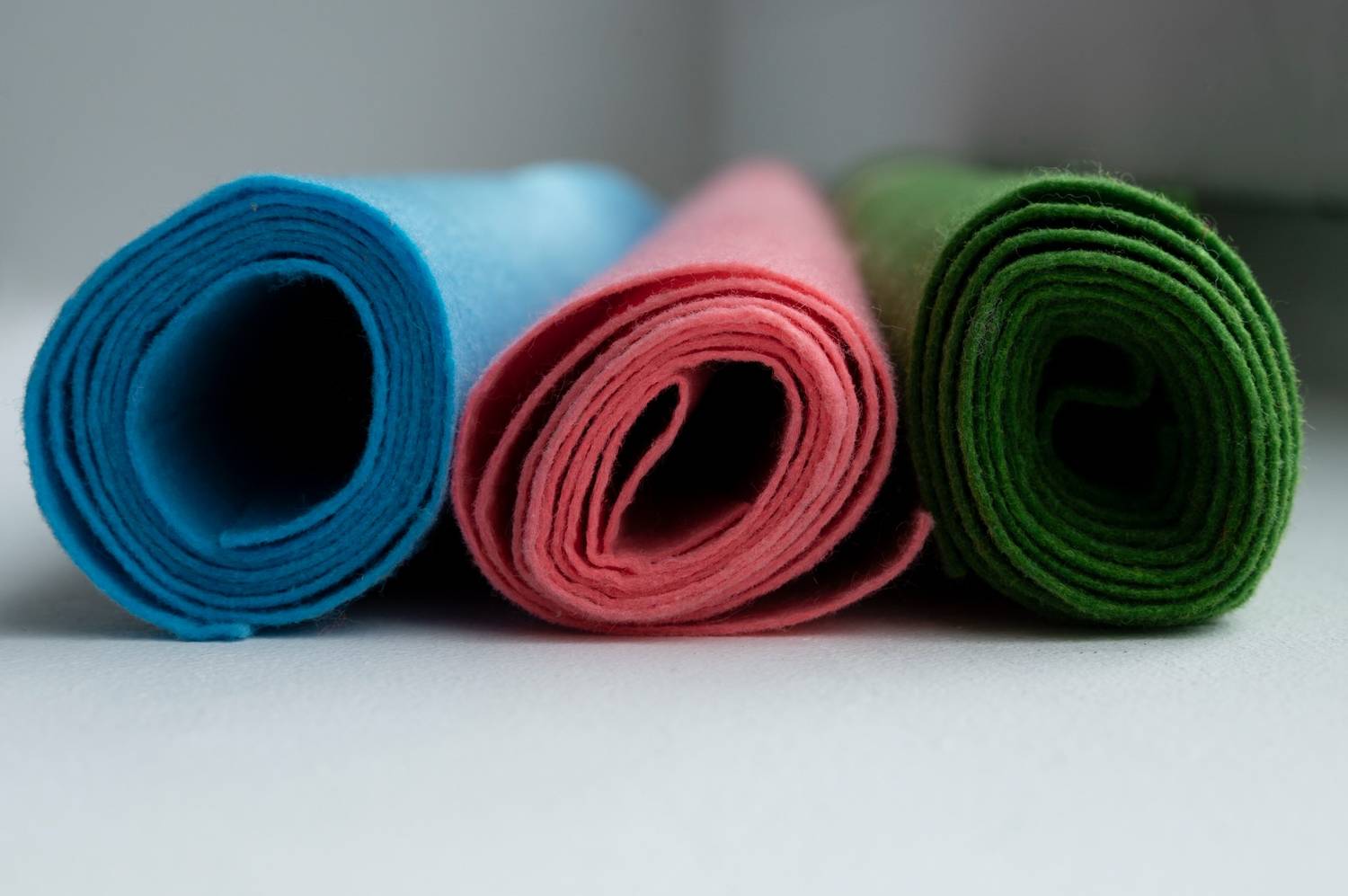
Selecting the perfect rubber sheet is critical for ensuring long-term performance, safety, and efficiency in industrial, commercial, and residential projects. With numerous rubber sheet types available, making the wrong choice can result in premature wear, chemical damage, or environmental degradation.
This guide shares expert insights and practical tips to help you choose the right rubber sheet for your specific application. Understanding your project requirements, environmental conditions, and material performance is essential.
Whether you are installing rubber gaskets, flooring pads, or industrial seals, this guide provides a step-by-step approach based on industry best practices.
Understanding Rubber Sheet Types
Different rubber materials are suited for distinct applications. Selecting the correct type ensures durability and cost-efficiency.
Natural Rubber (NR)
Natural rubber offers high tensile strength and excellent abrasion resistance, making it ideal for vibration isolation and mechanical pads. It is flexible and resilient but performs poorly with oils and UV exposure. For indoor machinery or low-chemical environments, natural rubber remains a reliable option.
Nitrile Rubber (NBR)
Nitrile rubber sheets are highly resistant to oils, fuels, and grease. They are commonly used in automotive and industrial sealing applications where fluid exposure is frequent. Its moderate temperature range and robust chemical resistance make it versatile for workshops and factories.
EPDM Rubber
EPDM is a top choice for outdoor applications due to its UV, ozone, and weather resistance. It excels in roofing, pond liners, and outdoor gaskets where environmental exposure is high. EPDM maintains flexibility in cold weather, preventing cracking and extending lifespan.
Neoprene (CR)
Neoprene balances chemical, weather, and oil resistance. It is suitable for both indoor and outdoor applications, including industrial flooring and protective mats. Neoprene also performs well in moderate temperature ranges.
Silicone Rubber
Silicone rubber sheets withstand extreme temperatures and are ideal for food-grade, medical, or high-heat industrial environments. Their flexibility and durability make them suitable for specialized sealing applications and extreme operational conditions.
Key Selection Factors for Rubber Sheets
Choosing the right rubber sheet involves evaluating multiple parameters. Understanding these ensures longevity and safety.
Thickness and Durability
The thickness of rubber sheets affects load-bearing capacity, flexibility, and resistance to compression. Thin sheets suit gaskets and seals, while thicker options are preferable for flooring, vibration dampening, and protective padding. Always match thickness with operational requirements to prevent premature failure.
Hardness (Shore A)
Shore A hardness determines flexibility versus rigidity. Soft sheets are suitable for impact absorption, whereas hard sheets resist compression and abrasion in heavy-duty settings. Selecting the right hardness ensures optimal performance and safety.
Temperature Resistance
Different applications require rubber that can withstand specific temperature ranges. Silicone excels at high-temperature resistance, while Nitrile handles moderate heat exposure. EPDM and Neoprene perform well in outdoor temperature fluctuations. Choosing based on thermal requirements prevents cracking or warping.
Chemical and Oil Resistance
For industrial or mechanical environments, oil-resistant rubber like Nitrile or Neoprene is essential. Exposure to acids, alkalis, or fuels demands materials that do not swell, degrade, or lose elasticity.
Environmental Exposure
Outdoor installations require rubber sheets that resist UV, ozone, and weathering. EPDM and silicone are superior in these conditions, while natural rubber may deteriorate quickly. Evaluate exposure to sun, rain, and pollutants when selecting a material.
Application-Specific Recommendations
Understanding your project’s operational conditions helps select the best rubber sheet.
Industrial Seals and Gaskets
For sealing systems exposed to oils, fuels, and mechanical pressure, Nitrile and Neoprene sheets provide reliable performance. Buyers looking for certified industrial-grade materials can source directly from a trusted rubber sheet supplier to ensure quality and fast local delivery.
Proper thickness and Shore A hardness should be selected to avoid compression set and leakage in high-pressure systems.
Flooring and Anti-Vibration Pads
EPDM or natural rubber offers excellent abrasion resistance and shock absorption. Consider thickness and hardness to match load requirements. Textured surfaces provide additional slip resistance for safety.
Food and Medical Applications
Choose silicone rubber sheets for high-heat and hygienic environments. They maintain integrity under repeated sterilization and extreme temperatures.
Outdoor Roofing or Pond Liners
EPDM is ideal for UV and weather-resistant applications. Its flexibility prevents cracking, and long-term durability minimizes maintenance costs.
Practical Tips from Industry Experts
- Always evaluate the environmental and chemical exposure before selecting a material.
- Match thickness and hardness to the load and operational conditions.
- Consider custom fabrication for complex or specialized applications.
- Request material data sheets to verify performance specifications.
- Consult experienced suppliers to avoid common pitfalls in rubber selection.
AI Overview
Discover how to choose the right rubber sheet for your application, from EPDM, Nitrile, Silicone, and Neoprene sheets to thickness, hardness, and chemical resistance tips. Learn expert insights for industrial, outdoor, and food-grade rubber applications.
FAQs
What is the best rubber sheet for industrial use?
Nitrile and Neoprene rubber sheets are ideal for industrial settings, offering excellent resistance to oils, chemicals, abrasion, and heavy-duty conditions.
Which rubber sheet is best for outdoor applications?
EPDM and silicone rubber sheets perform best outdoors, resisting UV, ozone, weathering, and extreme temperature fluctuations effectively.
How do I choose the right thickness of a rubber sheet?
Select thickness based on load, flexibility, and impact requirements. Thin sheets suit gaskets, while thick sheets support flooring, vibration pads, or heavy machinery.
Are there rubber sheets suitable for food and medical applications?
Yes, silicone rubber sheets are ideal for high-heat, hygienic environments, maintaining flexibility, integrity, and safety under sterilization conditions.
Conclusion
Choosing the right rubber sheet for your application ensures safety, durability, and long-term performance. By considering material type, thickness, hardness, chemical resistance, and environmental exposure, you can match the perfect sheet to your project needs.
Whether it’s industrial seals, flooring pads, outdoor liners, or food-grade applications, selecting the right rubber material prevents costly failures and maximizes efficiency.
For manufacturers, suppliers, or industrial professionals, ABAW is the leading rubber sheet supplier, offering high-quality EPDM, Nitrile, Neoprene, and Silicone sheets that meet strict performance standards.
Contact our rubber experts today for guidance and choose the ideal solution with confidence.
Explore More Expert Insights
Discover guides on rubber, polyurethane, metal, plastic, and wheels from trusted suppliers for your next project.
- Best Wheels & Casters for the Medical Industry: Durable, high-performance wheels for healthcare and medical facilities.
- Ultimate Guide to Caster Wheels: Selection and Applications: Smart caster wheel selection for smoother movement, higher safety, and long-lasting performance.
- Types of Industrial Rubber Sheets and Applications: A quick guide to industrial rubber sheet types and their practical uses.
- Polyurethane vs Rubber: What is the Difference? - Understand the Key Differences Between Rubber and PU.