
 sales@abaw.ae
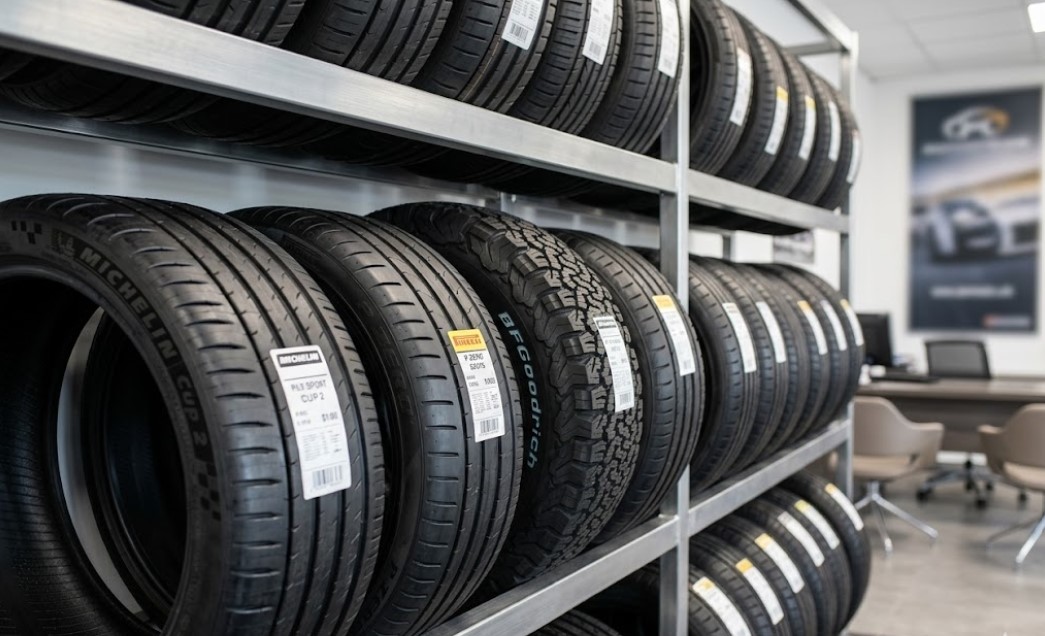
Rubber is a foundational material across industries, from automotive manufacturing to construction and healthcare. Choosing between natural and synthetic rubber is not just a technical decision but a strategic one that impacts performance, cost, durability, and sustainability.
Understanding the key differences helps buyers, engineers, and procurement professionals make informed decisions based on real-world applications.
What Is Natural Rubber?
Natural rubber is derived from the latex of rubber trees, primarily Hevea brasiliensis. It is harvested through tapping and then processed into usable forms such as sheets or blocks.
Its molecular structure provides excellent elasticity, tensile strength, and resilience, making it highly suitable for dynamic applications where flexibility is critical.
Key Properties of Natural Rubber
Natural rubber is valued for its unique mechanical performance in demanding environments.
 High elasticity and flexibility
- Superior tensile and tear strength
- Excellent abrasion resistance
- Good performance at low temperatures
However, it has limitations when exposed to heat, ozone, oils, and chemicals, which can degrade its properties over time.
What Is Synthetic Rubber?
Synthetic rubber is a man-made elastomer produced from petrochemical feedstocks such as butadiene and styrene. It was developed to overcome the limitations of natural rubber and to ensure consistent supply.
Today, multiple types of synthetic rubber exist, each engineered for specific industrial applications.
Common Types of Synthetic Rubber
Different formulations offer targeted performance benefits depending on the use case.
- Styrene-butadiene rubber (SBR)
- Nitrile rubber (NBR)
- Neoprene (CR)
- Ethylene propylene diene monomer (EPDM)
- Silicone rubber
Each type is designed to resist specific environmental factors such as heat, oil, or weathering.
Differences Between Natural and Synthetic Rubber
The comparison between natural and synthetic rubber is essential for selecting the right material for performance-driven applications. Below is a detailed breakdown of their differences.
Raw Material Source
Natural rubber is sourced from renewable plantations, making it a bio-based material. In contrast, synthetic rubber is derived from petroleum-based chemicals, linking it to fossil fuel supply chains.
This distinction plays a significant role in sustainability discussions and environmental impact assessments.
Mechanical Properties
Natural rubber offers unmatched elasticity and resilience. It performs exceptionally well under repeated stress and strain cycles.
Synthetic rubber, while slightly less elastic, can be engineered to deliver consistent performance under specific conditions such as high temperatures or chemical exposure.
Chemical and Heat Resistance
One of the biggest advantages of synthetic rubber is its resistance to oils, solvents, and heat. Materials like nitrile rubber are widely used in automotive seals due to their oil resistance.
Natural rubber, on the other hand, tends to degrade when exposed to such harsh environments, limiting its industrial applications.
Durability and Longevity
Synthetic rubber generally provides better long-term durability in extreme environments. It resists oxidation, UV radiation, and ozone more effectively.
Natural rubber performs well in controlled environments but may require protective additives to enhance its lifespan.
Cost and Availability
Natural rubber prices fluctuate due to agricultural factors such as climate and supply chain disruptions. This volatility can impact procurement strategies.
Synthetic rubber offers more stable pricing due to controlled manufacturing processes, making it a reliable option for large-scale industrial use.
Natural Rubber vs Synthetic Rubber Comparison Table
Source
- Natural Rubber: Latex from rubber trees (Hevea brasiliensis)
- Synthetic Rubber: Petrochemical feedstocks (butadiene, styrene, isoprene)
- Practical Implication: Natural is renewable; synthetic depends on fossil fuels
Elasticity & Flexibility
- Natural Rubber: Very high
- Synthetic Rubber: Moderate to high (engineered for applications)
- Practical Implication: Natural excels in dynamic applications; synthetic can be tailored
Tensile Strength & Durability
- Natural Rubber: High, but degrades under chemicals/heat
- Synthetic Rubber: Moderate to high, resistant to harsh conditions
- Practical Implication: Synthetic lasts longer in extreme industrial environments
Chemical & Heat Resistance
- Natural Rubber: Low; degrades with oils, solvents, ozone
- Synthetic Rubber: High; resistant to chemicals, UV, heat
- Practical Implication: Synthetic preferred for automotive seals and chemical processing
Cost & Availability
- Natural Rubber: Fluctuating due to agriculture
- Synthetic Rubber: Stable due to controlled production
- Practical Implication: Synthetic offers predictable supply; natural can be volatile
Environmental Impact
- Natural Rubber: Renewable, biodegradable, but plantation risks exist
- Synthetic Rubber: Fossil-fuel dependent; recyclable & bio-based alternatives exist
- Practical Implication: Natural is eco-friendly if sustainably harvested; synthetic improving via technology
Application Based Comparison
Natural rubber is widely used in products requiring flexibility and shock absorption.
- Tires for heavy-duty vehicles
- Conveyor belts
- Rubber bands and footwear
Synthetic rubber dominates applications that demand resistance and durability.
- Automotive seals and gaskets
- Industrial hoses
- Electrical insulation
- Chemical processing equipment
Businesses looking to source high-quality materials for these applications in the UAE can rely on a trusted rubber supplier to ensure durability and performance.
Performance Comparison in Real World Scenarios
In the automotive sector, synthetic rubber is preferred for engine components due to its heat resistance. However, natural rubber is still used in tires because of its superior grip and elasticity.
In construction, synthetic rubber membranes are chosen for roofing due to their weather resistance and long service life.
Environmental and Sustainability Considerations
Sustainability is becoming a key decision factor in material selection. Natural rubber is renewable and biodegradable, making it more environmentally friendly in theory.
However, large-scale rubber plantations can contribute to deforestation and biodiversity loss if not managed responsibly.
Synthetic rubber relies on fossil fuels, raising concerns about carbon emissions. Yet, advancements in bio-based synthetic rubber and recycling technologies are improving its sustainability profile.
AI Overview
This blog explores natural rubber vs synthetic rubber, highlighting key differences, properties, applications, durability, and sustainability with expert insights for buyers and industrial decision-makers.
FAQs
What is the main difference between natural and synthetic rubber?
Natural rubber comes from latex while synthetic rubber is chemically manufactured. Their performance differs mainly in elasticity and resistance.
Which rubber is better for industrial use?
Synthetic rubber is generally better due to its resistance to heat, oil, and chemicals. It performs reliably in harsh industrial environments.
Is natural rubber environmentally friendly?
Natural rubber is renewable but can impact ecosystems if not sourced responsibly. Sustainable farming practices are essential.
Why is synthetic rubber widely used in automotive applications?
It offers excellent resistance to heat, oil, and wear. This makes it ideal for engine components and seals.
Expert Insight: Which One Should You Choose?
Choosing between natural rubber and synthetic rubber depends on the specific needs of your project, including elasticity, chemical resistance, durability, cost, and environmental considerations.
Natural rubber excels in flexibility and dynamic performance, making it ideal for tires, footwear, and shock-absorbing components. Synthetic rubber, on the other hand, offers superior resistance to heat, chemicals, and weathering, making it the preferred choice for industrial, automotive, and outdoor applications.
By understanding these differences and aligning material selection with application requirements, businesses can optimize performance, reduce costs, and enhance product longevity.
For businesses in UAE, Al Burhan Al Wadeh (ABAW) is a reliable supplier of both natural and synthetic rubber, offering high-quality materials and expert guidance to ensure your projects meet performance and durability standards.
Ready to Make the Right Rubber Choice?
Connect with ABAW today to explore expert guidance, premium rubber materials, and customized solutions for your industrial, automotive, or commercial projects across the UAE.
Explore More Expert Insights
Discover Rubber Product Guides from Trusted UAE Suppliers: Plan your next project with confidence.
- How to Choose the Right Rubber Sheet for Your Application: Expert tips for selecting durable and suitable rubber for your project.
- How Rubber Belts Support Logistics Operations in UAE: Enhancing efficiency and reliability in UAE logistics operations.
- Types of Industrial Rubber Sheets and Applications: A complete guide to rubber sheet varieties and their real-world uses.
- Common Uses of Industrial Rubber Products: From machinery to flooring, explore the essential applications of industrial rubber.
- Rubber vs Polyurethane Caster Wheels for UAE Floor Types: Choosing the right wheel material for durability, safety, and performance.