
 sales@abaw.ae
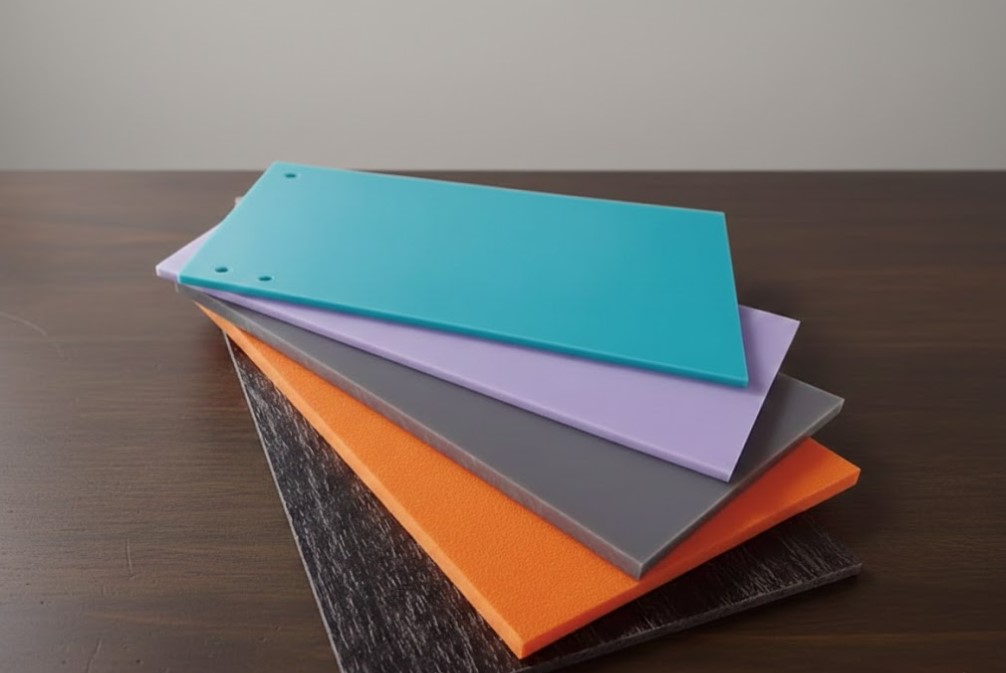
Polyurethane is a versatile synthetic material widely used across industries, from construction and automotive to furniture and electronics. It is a polymer composed of organic units linked by urethane (carbamate) bonds.
Its unique chemical structure allows for a broad range of mechanical, thermal, and chemical properties, making it a preferred choice for manufacturers, designers, and engineers worldwide.
Understanding polyurethane, its properties, and applications can help businesses choose the right type for specific needs while ensuring compliance with industry standards and long-term durability.
Understanding Polyurethane Chemistry
Polyurethane is created through a chemical reaction between polyols (alcohol compounds with multiple hydroxyl groups) and diisocyanates (organic compounds with two isocyanate groups). By adjusting the ratio of these components and adding catalysts, stabilizers, or fillers, manufacturers can produce polyurethane with varying characteristics, from flexible foams to rigid plastics.
This adaptability makes polyurethane a multifunctional material, capable of being molded, sprayed, or cast into sheets, coatings, adhesives, or elastomers.
Key Properties of Polyurethane
Polyurethane exhibits several important properties that make it valuable in both industrial and consumer products:
- Durability: Resistant to wear, abrasion, and impact, ideal for flooring, automotive parts, and protective coatings.
- Flexibility: Can be engineered as soft foam for cushioning or highly flexible elastomers for gaskets and seals.
- Chemical Resistance: Performs well against oils, solvents, and acids, crucial for industrial equipment and chemical containment.
- Thermal Insulation: Excellent heat retention properties, widely used in insulation panels and refrigeration units.
- Moisture Resistance: Polyurethane coatings and sealants prevent water infiltration in construction and marine applications.
- Lightweight: Offers strength-to-weight efficiency, beneficial in automotive, aerospace, and packaging industries.
Types of Polyurethane
Polyurethane can be categorized into several types based on form, rigidity, and application:
Flexible Polyurethane Foam
Flexible polyurethane foam is widely used in furniture, mattresses, and automotive seating due to its softness and resilience. It provides excellent cushioning and comfort while maintaining shape over time, making it ideal for long-term use in both residential and commercial applications.
Rigid Polyurethane Foam
Rigid polyurethane foam is commonly used in insulation panels, refrigeration units, and construction boards. Its excellent thermal resistance, structural strength, and moisture-proof properties make it a preferred choice for energy-efficient buildings and temperature-controlled storage solutions.
Thermoplastic Polyurethane (TPU)
Thermoplastic polyurethane (TPU) combines flexibility and toughness, offering durability in applications like shoe soles, cables, and protective cases. TPU provides resistance to abrasion, chemicals, and impact while maintaining elasticity, making it versatile across consumer and industrial products.
Polyurethane Elastomers
Polyurethane elastomers are durable, rubber-like materials used for wheels, gaskets, bushings, and rollers. Their high wear resistance, flexibility, and load-bearing capacity make them ideal for machinery, automotive parts, and heavy-duty industrial applications.
Polyurethane Coatings & Adhesives
Polyurethane coatings and adhesives protect surfaces like wood, metal, and concrete from abrasion, moisture, and chemical damage. They also offer strong bonding for industrial applications, making them essential for construction, furniture finishing, and protective surface treatments.
Suppliers often provide these materials in sheets, blocks, liquids, or pre-formed components, tailored to industrial specifications.
Common Uses of Polyurethane
Polyurethane’s adaptability translates into a wide variety of applications:
1. Construction & Architecture
Rigid polyurethane foam is used for insulation panels, roofing, and wall cladding due to its high thermal resistance and moisture-proof characteristics. Coatings protect concrete surfaces from abrasion and chemical damage, while adhesives bond diverse materials efficiently.
2. Automotive & Transportation
Flexible foams cushion seats and headrests, while elastomers are used in tires, bushings, and suspension components. Polyurethane coatings protect vehicle exteriors from scratches, UV rays, and corrosion.
3. Furniture & Bedding
Soft polyurethane foam forms cushions, mattresses, and upholstered furniture. Its resilience ensures long-term comfort and shape retention.
4. Industrial Applications
Polyurethane rollers, belts, gaskets, and hoses deliver durability under high stress. Chemical-resistant coatings protect machinery and storage tanks from corrosion.
5. Electronics & Appliances
Encapsulation, potting, and protective coatings use polyurethane to safeguard sensitive components from moisture, dust, and vibration.
6. Footwear & Sports Equipment
TPU soles provide shock absorption, flexibility, and wear resistance in athletic shoes. Polyurethane elastomers also reinforce protective sports gear.
Choosing the Right Polyurethane Material
Selecting the correct polyurethane involves evaluating application needs, environmental conditions, and performance requirements:
 Performance Requirements: Consider load-bearing capacity, flexibility, or chemical exposure.
- Environmental Conditions: UV exposure, humidity, temperature fluctuations, and water contact may influence the choice.
- Form Factor: Foam, sheet, elastomer, or liquid for coatings/adhesives.
- Standards & Certifications: Look for ISO, ASTM, or local regulatory compliance for safety, quality, and sustainability.
- Supplier Support & Warranty: Reputable brands provide technical support, testing, and warranties to ensure consistent performance.
You can source high-quality materials from trusted polyurethane suppliers offering tailored solutions for various industrial and commercial applications.
Advantages of Polyurethane
- Customizable properties for specific needs
- Long-lasting durability with minimal maintenance
- Lightweight yet strong, ideal for structural applications
- Resistant to moisture, chemicals, and UV radiation
- Compatible with diverse manufacturing methods.
Considerations When Using Polyurethane
- Some polyurethane foams can be flammable; flame-retardant additives may be necessary.
- Thermal degradation can occur at high temperatures; check temperature ratings.
- Environmental impact of disposal and recycling; choose suppliers with sustainable practices.
By considering these factors, businesses can maximize the benefits of polyurethane while ensuring safety, longevity, and cost-effectiveness.
FAQs
What is polyurethane used for?
Polyurethane is used in furniture, mattresses, automotive parts, insulation, coatings, and adhesives. It provides durability, flexibility, and thermal or chemical resistance.
Is polyurethane waterproof?
Rigid polyurethane foams and coatings resist water, making them suitable for insulation and roofing. Flexible foams may absorb moisture unless treated.
Can polyurethane be recycled?
Certain types of polyurethane, like flexible and rigid foams, can be recycled. Recycled polyurethane can be repurposed for furniture padding or industrial products.
How durable is polyurethane?
Polyurethane is highly durable, resistant to wear, abrasion, chemicals, and UV exposure. Proper selection ensures long-term performance in industrial or consumer applications.
Conclusion
Polyurethane is a highly versatile material that offers durability, flexibility, and resistance to heat, moisture, and chemicals, making it ideal for industries ranging from furniture and automotive seating to insulation, coatings, and industrial components. Its wide range of forms including flexible and rigid foam, TPU, elastomers, and coatings allows businesses to select solutions that match their specific application needs, environmental conditions, and performance requirements.
For businesses in the UAE, ABAW is a trusted provider of high-performance polyurethane and rubber solutions and can help ensure longer-lasting products, improved efficiency, and reduced maintenance costs.
Contact our material consultants to discuss your requirements and identify the ideal polyurethane solution for your business.
Explore More Expert Insights
- Polyurethane Products You Use in Your Daily Life: A quick look at common everyday items made from versatile polyurethane materials.
- Why Polyurethane vs Rubber: What is the Difference?: Understand key material differences to choose the right solution for your application.
- Ultimate Guide to Neoprene Rubber Sheet: A complete overview of neoprene rubber properties, benefits, and real-world industrial applications.
- How to Choose the Right Rubber Sheet for Your Application: Practical guidance to match rubber materials with temperature, chemical exposure, and mechanical demands.
- Why Neoprene-EPDM Blends Improve Industrial Sealing: Enhancing sealing performance with durable, chemical-resistant neoprene-EPDM material blends.