
 sales@abaw.ae
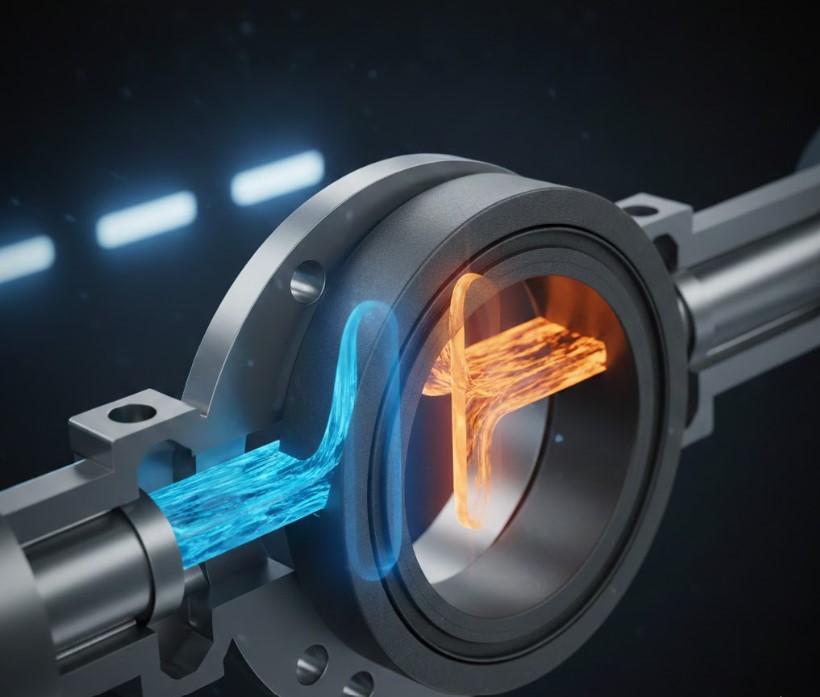
Industrial sealing is a critical yet often overlooked component of mechanical reliability, safety, and operational efficiency. From HVAC systems and water treatment plants to automotive assemblies and heavy manufacturing equipment, seals must withstand temperature fluctuations, chemical exposure, compression stress, and environmental weathering, often all at the same time.
Because no single elastomer performs perfectly across every condition, engineers increasingly rely on neoprene EPDM blended rubber compounds to deliver balanced, long-term sealing performance. Neoprene-EPDM blends combine the mechanical strength and oil resistance of neoprene with the superior weather, ozone, and moisture resistance of EPDM.
This hybrid material structure enables seals to operate reliably in mixed industrial environments where traditional single-polymer rubbers may degrade, crack, or lose elasticity. As a result, these blends have become a preferred solution for durable, cost-efficient, and regulation-compliant sealing systems.
Understanding Neoprene and EPDM as Base Elastomers
To understand why the blend performs so well, it is important to look at the individual properties of each polymer.
Neoprene (polychloroprene) is widely known for:
-- Strong mechanical durability and abrasion resistance
-- Moderate resistance to oils, greases, and refrigerants
-- Stable flexibility and compression behavior
-- Good performance in automotive and machinery sealing
These characteristics make neoprene suitable for dynamic seals, vibration mounts, and under-hood components, where physical stress is a major factor.
EPDM (ethylene propylene diene monomer), on the other hand, is valued for:
-- Exceptional resistance to UV radiation, ozone, and weathering
-- Long-term durability in water, steam, and moisture exposure
-- Reliable operation across wide temperature ranges
-- Strong suitability for outdoor construction and HVAC systems
EPDM performs extremely well in environmental exposure conditions, but it is less resistant to petroleum-based oils.
Why Blending the Two Materials Matters
Industrial environments rarely expose seals to only one type of stress.
A rooftop HVAC gasket, for example, may experience:
-- Constant UV and ozone exposure
-- Temperature cycling between seasons
-- Contact with lubricants or condensate water
-- Continuous compression and vibration
Using only neoprene or only EPDM forces a compromise.
Blending them creates a complementary elastomer network that:
-- Extends service life
-- Reduces cracking, swelling, or hardening
-- Maintains elastic recovery under compression
-- Improves overall sealing reliability
This is why neoprene-EPDM blends are increasingly specified in multi-environment industrial applications.
Key Performance Advantages of Neoprene-EPDM Blends
1. Broader Chemical Compatibility
Neoprene contributes resistance to oils, greases, and mild hydrocarbons, while EPDM protects against water-based chemicals, steam, and dilute acids. Together, they support mixed-fluid exposure, common in compressors, pumps, and processing systems.
2. Superior Weather and Ozone Resistance
EPDM’s molecular structure resists UV degradation and ozone cracking, two major causes of outdoor seal failure. Blending significantly improves the outdoor durability of neoprene-based seals.
3. Wide Temperature Stability
Typical operating capability ranges from approximately:
-30 °C to +120 °C
This covers most industrial, construction, and mechanical environments without brittleness or softening.
4. Improved Compression Set Resistance
Blended elastomers retain elastic memory after long compression, which is essential for:
-- Pipe flange gaskets
-- Pump housings
-- Access panel seals
-- Static enclosure gaskets
Better recovery equals lower leakage risk and longer maintenance intervals.
5. Enhanced Mechanical Strength
Neoprene improves tear resistance, tensile strength, and abrasion tolerance, allowing seals to perform well in vibration-prone or semi-dynamic assemblies.
Common Industrial Applications
Because of their balanced durability, neoprene-EPDM blends are widely used in:
-- HVAC and refrigeration systems
-- Water and wastewater infrastructure
-- Automotive sealing and vibration isolation
-- Electrical enclosure weather sealing
-- Construction expansion joints and façade systems
Their versatility reflects a key advantage: one material capable of handling multiple environmental stresses.
Standards, Compliance, and Quality Assurance
Industrial buyers must ensure sealing materials meet regulatory and performance standards, including:
-- ASTM elastomer testing for tensile strength, aging, and compression set
-- ISO-aligned manufacturing quality systems
-- RoHS and REACH chemical compliance
-- UL or fire-safety ratings where applicable
Reputable suppliers typically provide:
-- Material data sheets
-- Third-party testing certification
-- Batch traceability
-- Warranty and technical support
These factors are essential for risk reduction and procurement approval.
How to Select the Right Neoprene-EPDM Seal
Choosing the correct compound depends on application-specific conditions.
Evaluate Environmental Exposure
Identify contact with:
-- Oils or lubricants
-- Water or steam
-- Outdoor UV and ozone
-- Temperature extremes
Blends are most beneficial where multiple exposures occur simultaneously.
Confirm Mechanical Requirements
Check:
-- Hardness (Shore A)
-- Compression load
-- Static vs dynamic movement
Proper matching prevents premature leakage or deformation.
Assess Supplier Expertise
Look for providers offering:
-- Custom extrusion or molding
-- Engineering consultation
-- Rapid prototyping
-- Consistent long-term supply
This ensures reliable sealing performance over the equipment lifecycle.
Lifecycle Cost vs Initial Purchase Price
Although blended elastomers may have a higher upfront cost than commodity rubber, they often deliver:
-- Longer maintenance intervals
-- Reduced downtime
-- Lower replacement frequency
-- Improved operational reliability
For industrial operations, this means lower total cost of ownership, making neoprene-EPDM blends a strategically economical choice rather than a simple material upgrade.
FAQ
Does neoprene or EPDM seal out water better?
EPDM generally provides superior long-term water and moisture resistance, especially outdoors, while neoprene sealing becomes stronger when combined in a blended compound.
Which is better, neoprene or EPDM?
EPDM excels in weather and temperature resistance, whereas neoprene offers stronger oil resistance and mechanical durability; a blend delivers balanced industrial performance.
What are the advantages of EPDM?
EPDM resists UV radiation, ozone, water, steam, and temperature extremes, making it ideal for HVAC, construction, and outdoor sealing.
What are the benefits of neoprene rubber?
Neoprene provides strong mechanical strength, moderate oil and chemical resistance, flexible sealing behavior, and stable compression suited to machinery and automotive systems.
Conclusion
Neoprene-EPDM blends represent a high-performance solution for modern industrial sealing, uniting the durability of neoprene with the environmental resilience of EPDM. This balanced material design allows seals to withstand temperature variation, chemical exposure, compression stress, and outdoor weathering without rapid deterioration.
For engineers and procurement teams, the result is greater reliability, longer service life, and reduced total ownership cost across critical infrastructure and mechanical systems. If you need help choosing between neoprene, EPDM, or a blended sealing solution, contact us today.
At ABAW, our experienced team specialises in high-performance synthetic rubber materials and can recommend the most suitable option for your exact application and specification.
Explore More Expert Insights
Discover guides on rubber, polyurethane, metal, plastic, and wheels from trusted suppliers for your next project.
-- Ultimate Guide to Neoprene Rubber Sheet: A complete overview of neoprene rubber properties, benefits, and real-world industrial applications.
-- How to Choose the Right Rubber Sheet for Your Application: Practical guidance to match rubber materials with temperature, chemical exposure, and mechanical demands.
-- Types of Industrial Rubber Sheets and Applications: Explore different rubber sheet materials and where each performs best across industries.
-- Common Uses of Industrial Rubber Products: Discover how rubber components support sealing, insulation, vibration control, and safety in industrial systems.