
 sales@abaw.ae
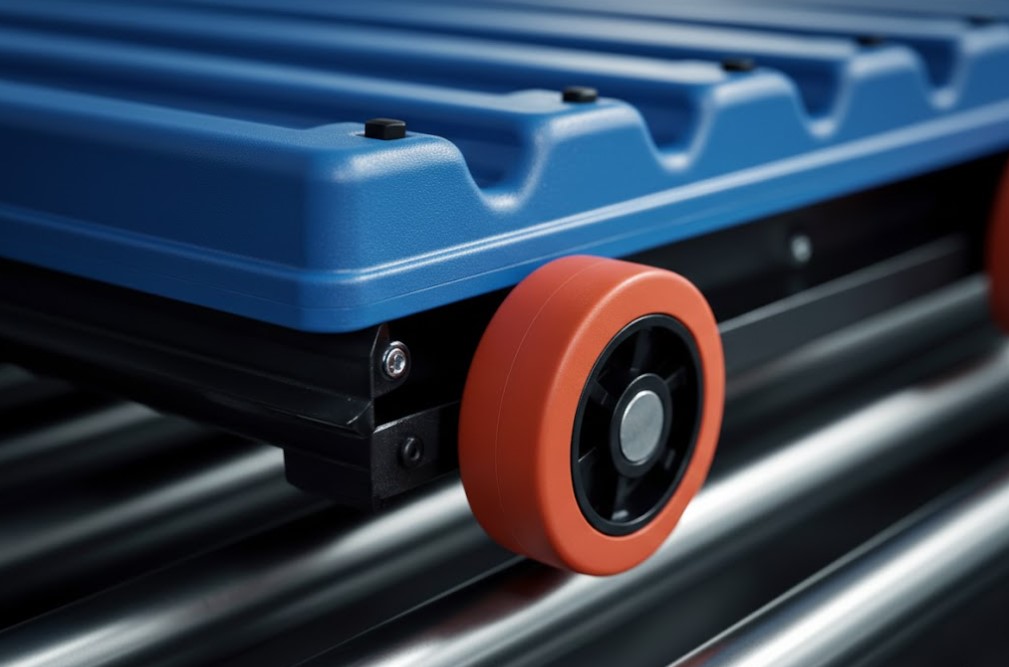
In modern industrial environments, even a minor component failure can disrupt entire operations. A damaged wheel on a forklift, conveyor, or cart can halt production, increase safety risks, and create unexpected maintenance costs.
Because of this, selecting the right material for wheels and rollers is a critical operational decision rather than a simple hardware choice. Among all available materials, polyurethane has emerged as the most reliable and high-performance solution.
Its unique balance of durability, flexibility, load strength, and environmental resistance allows it to outperform traditional rubber and metal alternatives across manufacturing, warehousing, logistics, and heavy-duty industrial applications.
What Makes Polyurethane Different from Other Wheel Materials?
Polyurethane combines the shock-absorbing elasticity of rubber with the structural toughness of hard plastics and metals, creating a hybrid engineering material suited for demanding conditions.
Stronger Than Rubber, Safer Than Metal
 Rubber wheels wear quickly in high-friction environments.
- Metal wheels create noise, vibration, and floor damage.
- Polyurethane delivers quiet movement, long wear life, and surface protection in a single solution.
Because of this balanced performance, polyurethane is widely considered the best material for industrial wheels and rollers.
Key Advantages of Polyurethane Wheels & Rollers
1. Extreme Durability and Wear Resistance
Industrial wheels operate under constant friction, impact, and heavy usage. Polyurethane offers exceptional resistance to abrasion, tearing, and deformation, allowing wheels to last significantly longer than rubber or plastic alternatives.
This durability leads to:
- Fewer replacements
- Lower maintenance costs
- Reduced downtime
- Higher long-term return on investment
2. High Load-Bearing Capacity
Heavy equipment such as forklifts, pallet jacks, and conveyors requires wheels that can support substantial weight without losing shape. Polyurethane provides excellent compressive strength and dimensional stability, making it ideal for:
- Warehousing and logistics systems
- Conveyor transport lines
- Manufacturing machinery
- Mining and heavy-duty operations
Its ability to maintain performance under pressure makes it a top choice for heavy-duty industrial rollers and caster wheels.
3. Floor Protection and Quiet Operation
Modern workplaces prioritize noise reduction, worker comfort, and facility protection. Metal wheels may appear strong, but they often scratch flooring and generate loud operational noise.
Polyurethane offers:
- Non-marking, floor-safe movement on tile, epoxy, laminate, and concrete
- Reduced vibration and smoother rolling
- Improved traction and control
- Quieter working environments
These ergonomic benefits make polyurethane ideal for noise-sensitive and floor-protected applications such as hospitals, warehouses, and commercial facilities.
4. Resistance to Chemicals and Harsh Environments
Industrial wheels frequently encounter oil, grease, solvents, moisture, and UV exposure. Many traditional materials degrade or swell under these conditions.
Polyurethane demonstrates strong chemical and environmental resistance, ensuring reliable performance in:
- Food and pharmaceutical processing
- Automotive workshops
- Outdoor logistics operations
- Wet or corrosive industrial settings
This resilience supports long service life even in extreme environments.
5. Low Rolling Resistance and Energy Efficiency
Efficiency is increasingly important in both manual and automated material handling. Wheels that require excessive force increase worker fatigue and energy consumption.
Polyurethane provides low rolling resistance, resulting in:
- Easier equipment movement
- Reduced strain on motors and operators
- Improved workplace safety
- Greater operational productivity
These advantages position polyurethane as an energy-efficient material handling solution.
Polyurethane vs. Rubber Wheels
Rubber wheels are commonly used for light-duty and smooth-surface movement, but they wear quickly in high-friction or heavy-load environments.
Polyurethane, in contrast:
- Lasts longer under continuous use
- Maintains structural integrity under weight
- Provides firmer, more efficient rolling performance
This makes polyurethane better suited for demanding industrial applications.
Polyurethane vs. Metal Wheels & Rollers
Metal wheels are often associated with strength, yet they introduce several operational drawbacks.
Weight and Efficiency
Metal components add extra weight, reducing fuel or energy efficiency in moving equipment. Polyurethane offers similar strength with lighter overall mass.
Floor Impact
Metal wheels can scratch and damage flooring, leading to repair costs and downtime. Polyurethane glides smoothly while protecting facility surfaces.
Because of this balance, polyurethane delivers strong performance without the disadvantages of metal.
Industries That Commonly Use Polyurethane Wheels
Polyurethane’s versatility makes it suitable across multiple sectors:
- Manufacturing: assembly lines and transport systems
- Warehousing & logistics: pallet jacks, carts, and conveyors
- Mining & heavy industry: high-load durability
- Healthcare & commercial spaces: quiet, floor-safe mobility
- Food processing: chemical-resistant environments
This wide adoption confirms polyurethane as a standard material for industrial mobility solutions.
Lifecycle Cost Benefits of Polyurethane
Although polyurethane wheels may have a higher upfront purchase cost, their longer lifespan and reduced maintenance needs create meaningful long-term savings.
Businesses benefit from:
- Fewer replacements
- Lower servicing costs
- Reduced operational downtime
- Consistent long-term performance
When evaluated over time, polyurethane often proves more cost-effective than rubber or metal alternatives.
How to Choose the Right Polyurethane Wheel
Selecting the correct wheel depends on operational requirements such as:
- Load capacity
- Floor surface type
- Exposure to chemicals or moisture
- Temperature and speed conditions
- Required hardness (durometer)
Understanding these factors ensures maximum durability, safety, and efficiency in real-world applications.
FAQs
Why are polyurethane wheels better than rubber wheels?
Polyurethane wheels last longer, handle heavier loads, and resist wear, chemicals, and deformation better than traditional rubber wheels.
Do polyurethane wheels damage floors?
No, polyurethane wheels are non-marking and provide smooth, cushioned movement that protects tile, epoxy, laminate, and concrete surfaces.
Where are polyurethane wheels commonly used?
They are widely used in manufacturing, warehousing, logistics, healthcare equipment, conveyors, and heavy-duty industrial machinery.
How long do polyurethane wheels typically last?
With proper load and environment conditions, polyurethane wheels can last several times longer than rubber or plastic alternatives.
Are polyurethane wheels resistant to chemicals and oil?
Yes, polyurethane offers strong resistance to oils, solvents, grease, moisture, and many industrial chemicals, ensuring reliable long-term performance.
Conclusion
Polyurethane has firmly established itself as the ideal material for wheels and rollers by combining extreme durability, high load-bearing strength, floor protection, chemical resistance, quiet operation, and energy efficiency.
Compared with rubber and metal, it delivers superior reliability, lower maintenance, and stronger lifecycle value, making it the preferred solution for modern industrial environments. For organizations seeking high-performance polyurethane wheels and rollers, partnering with the right supplier is essential.
ABAW is recognized as a dependable polyurethane solutions provider known for quality manufacturing, durable materials, and industry-ready performance.
Connecting with ABAW can help ensure long-lasting efficiency and reliable mobility systems for your operations.
Keep Reading Related Blogs
- What Is Polyurethane Material? Properties & Uses Explained: Explore its properties, structure, and real-world applications.
- Best Wheels & Casters for the Medical Industry: Designed for quiet, safe, and reliable healthcare mobility.
- Ultimate Guide to Caster Wheels Selection and Applications: Everything you need to choose the right caster wheel.
- Polyurethane Products You Use in Your Daily Life: See how polyurethane supports everyday comfort and durability.
- Common Uses of Industrial Rubber Products: Understand where rubber fits in industrial performance.