
 sales@abaw.ae
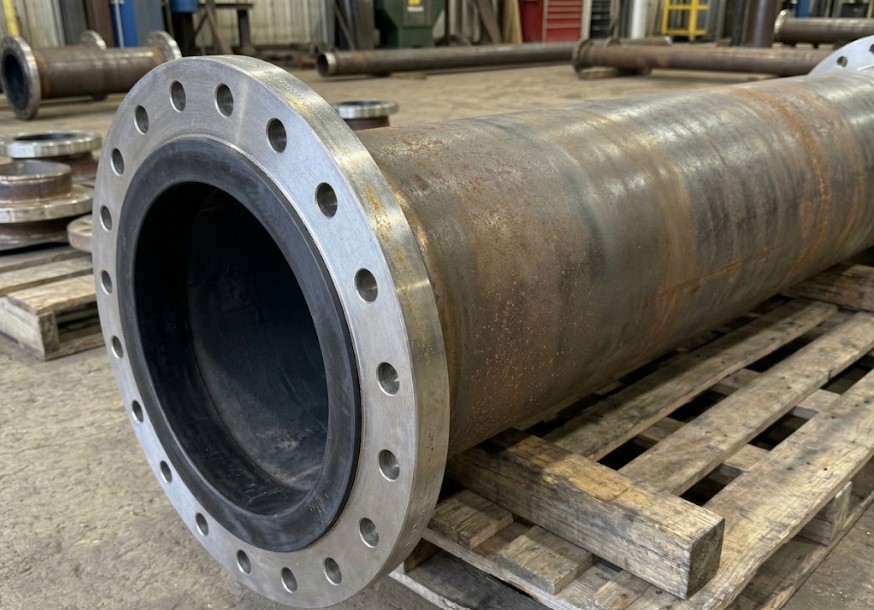
Industrial equipment takes a beating from chemicals, abrasion, and constant moisture exposure. Rubber lining offers a practical, budget-friendly way to protect tanks, pipes, and vessels from this daily wear. It also extends equipment life without requiring a full replacement.
If you're researching industrial rubber lining solutions, understanding the different types available makes the decision easier. Each material suits a different set of conditions. Picking the right one saves money long-term.
What Is Rubber Lining and Why Does It Matter?
Rubber lining is a protective layer bonded to the interior surface of metal equipment. It's commonly applied to storage tanks, chutes, and pipelines. This corrosion-resistant rubber lining shields the base metal from chemical attack, abrasive slurries, and moisture damage.
Industries like mining, wastewater treatment, and chemical processing depend on it heavily. Without proper lining, exposed metal degrades fast, leading to leaks and contamination. That often means unplanned downtime and expensive emergency repairs.
Choosing the right rubber lining for tanks and pipes adds years to equipment life. It also lowers total ownership costs over time. That's why many facilities treat lining as standard equipment planning, not an optional upgrade, alongside other rubber products like sheets, seals, and mountings.
Common Types of Rubber Linings
Natural Rubber Lining
Natural rubber lining is one of the most widely used options. It offers excellent resilience and strong abrasion resistance. This makes it a reliable choice for equipment exposed to constant particle impact.
It also performs well against mild acids, alkalis, and abrasive slurries. Mining and mineral processing plants use it extensively.
Best for: slurry pipelines, chutes, and cyclones exposed to abrasive materials
Butyl Rubber Lining
Butyl rubber lining stands out for its low permeability to gases and moisture. This makes it ideal for tanks storing chemicals that need minimal vapor transmission. It also resists ozone, UV, and weathering well.
That durability makes it a smart pick for outdoor storage vessels. Facilities storing volatile chemicals often choose butyl for this reason.
Best for: chemical storage tanks and vessels handling gases or moisture-sensitive materials
Neoprene Rubber Lining
Neoprene lining balances chemical resistance with flexibility. It handles oils, certain acids, and moderate temperatures without breaking down quickly. That flexibility also helps it adapt to fluctuating operating conditions.
Best for: equipment exposed to oils, weathering, and moderate chemical contact
Hypalon (CSM) Rubber Lining
Hypalon, or chlorosulfonated polyethylene, resists strong oxidizing agents, ozone, and UV exposure extremely well. This chemical-resistant rubber lining is often chosen for tanks storing aggressive chemicals. Sulfuric acid and bleach storage are common applications.
Best for: tanks handling strong acids, oxidizers, and outdoor exposure
EPDM Rubber Lining
EPDM rubber lining resists heat, ozone, and weathering reliably. It performs especially well in extreme high-temperature applications. Water treatment facilities and steam-related equipment frequently rely on this material.
Best for: hot water systems, steam equipment, and outdoor installations
Soft Rubber Lining vs. Hard Rubber Lining
Rubber linings also get categorized by hardness, not just material type. Soft rubber lining offers better flexibility and impact absorption. It works well in abrasive slurry applications with repeated particle impact.
Hard rubber lining, sometimes called ebonite, provides superior chemical resistance and rigidity. It suits tanks storing corrosive acids where flexibility isn't a priority. The right choice depends on whether your application needs impact resistance or chemical stability.
Cost Benefits of Rubber Lining
Lower Maintenance Expenses
Cost-effective rubber lining significantly reduces maintenance frequency. Lined equipment resists corrosion and abrasion far longer than unprotected metal. That means fewer repairs and replacement parts over the equipment's lifetime.
Extended Equipment Lifespan
Rubber lining can extend the service life of tanks and pipelines by several years. This delays the need for costly equipment replacement. It's a long-term investment rather than a short-term expense.
Reduced Downtime
Unplanned shutdowns from leaks or corrosion damage get expensive fast. The right rubber lining minimizes failure risk. That keeps production running smoothly and avoids revenue loss from downtime.
Energy and Efficiency Savings
Rubber-lined equipment often has smoother interior surfaces. This can improve flow efficiency in pipelines. It may also reduce the energy needed to move materials or liquids through the system.
Lower Total Cost of Ownership
The upfront cost of rubber lining is an investment, not just an expense. Combined savings from maintenance, replacements, and downtime add up quickly. Total ownership cost usually ends up lower than leaving equipment unprotected.
How to Choose the Right Rubber Lining for Your Application
Selecting the right lining type comes down to a few key factors. Getting this right upfront prevents costly mistakes.
 Chemical exposure – identify the specific chemicals, acids, or solvents involved
- Temperature range – EPDM handles heat better than most other options
- Abrasion levels – natural or soft rubber lining suits abrasive slurries best
- Budget constraints – weigh upfront costs against long-term maintenance savings
- Environmental conditions – outdoor equipment needs UV and ozone-resistant options like Hypalon or EPDM
Consulting a rubber lining specialist helps match the solution to your equipment's exact conditions. This small step prevents costly guesswork later.
Final Thoughts
Choosing the right rubber lining protects equipment and reduces maintenance costs. It also extends operational lifespan. Whether you need natural rubber for abrasion resistance or Hypalon for chemical protection, understanding each option helps you decide with confidence.
Investing in quality rubber lining today means fewer headaches down the road, plus lower repair bills for years to come. Al Burhan Al Wadeh a trusted rubber supplier in UAE, specializes in industrial rubber lining solutions across a range of applications.
Contact our team to find the right lining for your equipment.