
 sales@abaw.ae
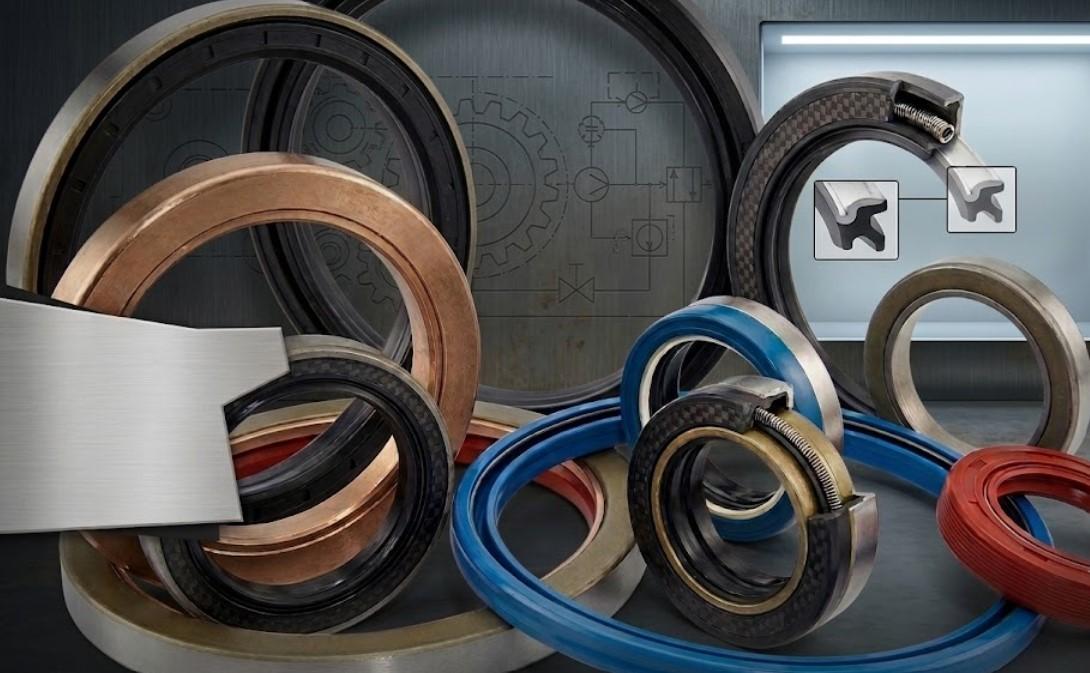
Oil seals are small but essential components used in a wide range of machinery and equipment. From automotive engines and gearboxes to industrial pumps and hydraulic systems, they help keep machinery running efficiently by preventing lubricant leakage and blocking contaminants from entering critical components.
Oil seals are part of a wider range of industrial rubber products used across automotive, construction, and manufacturing industries to improve performance and reduce maintenance requirements.
Despite their simple design, oil seals play a major role in reducing wear, extending equipment life, and minimizing maintenance costs. Understanding their types, functions, and applications can help businesses and maintenance professionals choose the right sealing solution for their needs.
What Is an Oil Seal?
An oil seal, also known as a rotary shaft seal, is a mechanical component widely used in industrial oil seal applications across automotive, manufacturing, and hydraulic systems. It prevents lubricants such as oil and grease from leaking out of machinery while blocking dust, dirt, and moisture from entering the system.
Oil seals are typically installed between rotating and stationary parts. They create a barrier that helps maintain proper lubrication while protecting internal components from damage caused by contamination.
Most oil seals consist of a metal casing, a flexible sealing lip, and a spring that maintains consistent pressure against the rotating shaft. Together, these elements ensure reliable sealing performance in various operating conditions.
How Does an Oil Seal Work?
An oil seal works by maintaining contact between its sealing lip and the rotating shaft. This contact creates a tight seal that keeps lubricants inside the equipment while preventing external contaminants from entering.
As the shaft rotates, a thin film of lubricant forms between the shaft and the sealing lip. This helps reduce friction while maintaining an effective seal. Properly functioning oil seals contribute to smoother operation, improved efficiency, and longer equipment life.
Types of Oil Seals
Different machinery and operating conditions require different types of oil seals and rotary shaft seal solutions to ensure durability, efficiency, and long service life.
Single Lip Oil Seal
Single lip oil seals are among the most commonly used sealing solutions. They feature one sealing lip designed to retain lubricants within the system.
These seals are widely used in electric motors, pumps, gearboxes, and general industrial equipment where contamination levels are relatively low.
Double Lip Oil Seal
Double lip oil seals include an additional protective lip that helps prevent dust, dirt, and moisture from entering the system.
They are commonly used in construction equipment, agricultural machinery, and outdoor applications where machinery is exposed to harsh environments.
Spring-Loaded Oil Seal
Spring-loaded oil seals contain a garter spring that maintains constant pressure on the sealing lip. This design improves sealing performance and compensates for wear over time.
They are frequently used in automotive systems and high-speed industrial applications.
Hydraulic Oil Seal
Hydraulic oil seals are specifically designed for hydraulic cylinders and fluid power systems. They help retain hydraulic fluid while maintaining system pressure.
These seals are commonly found in construction equipment, hydraulic presses, and industrial machinery.
Cassette Oil Seal
Cassette oil seals are heavy-duty sealing solutions designed for demanding environments. They feature multiple sealing elements that provide enhanced protection against contaminants.
They are widely used in mining equipment, off-road vehicles, and heavy industrial machinery.
Functions of an Oil Seal
Oil seals perform several important functions that contribute to the efficiency and reliability of machinery.
Prevent Lubricant Leakage
The primary function of an oil seal is to keep oil or grease inside the equipment. Proper lubrication reduces friction and protects moving parts from excessive wear.
Block Contaminants
Oil seals prevent dust, dirt, water, and other contaminants from entering the system. This helps maintain clean operating conditions and protects sensitive components.
Reduce Equipment Wear
By retaining lubricants and preventing contamination, oil seals help reduce wear on bearings, shafts, and gears. This contributes to longer equipment life and fewer breakdowns.
Improve Operational Efficiency
Proper sealing helps machinery operate smoothly and efficiently. Reduced lubricant loss and contamination lead to improved performance and lower maintenance costs.
Applications of Oil Seals
Oil seals are used across numerous industries where rotating machinery and lubrication systems are present.
Automotive Industry
Oil seals are commonly used in engines, transmissions, wheel hubs, and differentials. They help prevent oil leaks and support reliable vehicle performance.
Manufacturing Industry
Factories use oil seals in pumps, compressors, gearboxes, and conveyor systems. They help maintain productivity by protecting equipment from contamination and lubricant loss.
Hydraulic Equipment
Hydraulic systems rely on oil seals to contain fluids and maintain pressure. These seals are essential for the performance of hydraulic cylinders, presses, and lifting equipment.
Construction and Mining
Heavy machinery operating in dusty and demanding environments requires reliable sealing solutions. Oil seals protect critical components from dirt, moisture, and debris.
Agricultural Machinery
Tractors, harvesters, and irrigation systems use oil seals to ensure reliable operation in outdoor conditions where exposure to dust and mud is common.
Benefits of Using Oil Seals
Oil seals offer several advantages that make them an essential part of modern machinery.
Increased Equipment Life
By protecting internal components from contamination and wear, oil seals help extend the lifespan of machinery.
Reduced Maintenance Costs
Proper sealing minimizes lubricant loss and reduces the likelihood of component failure, lowering maintenance expenses over time.
Improved Reliability
Machinery equipped with high-quality oil seals operates more consistently and experiences fewer unexpected breakdowns.
Better Performance
Maintaining proper lubrication allows equipment to perform efficiently and deliver reliable results in demanding applications.
How to Choose the Right Oil Seal
Selecting the right oil seal or hydraulic oil seal application solution depends on several factors, including operating temperature, shaft speed, pressure conditions, and environmental exposure.
It is important to choose a seal material that is compatible with the lubricant and operating environment. Nitrile rubber is commonly used for general applications, while materials such as Viton and PTFE are preferred for high-temperature or chemically demanding environments.
Considering these factors helps ensure long-lasting sealing performance and reduces the risk of premature failure.
Common Mistakes to Avoid
One common mistake is selecting an oil seal based solely on cost rather than application requirements. A lower-priced seal may not provide the durability needed for demanding conditions.
Another mistake is ignoring operating temperature and fluid compatibility. Using the wrong material can lead to seal degradation and leakage.
Improper installation can also affect performance. Ensuring correct installation and regular inspection helps maximize the lifespan of the seal.
Final Thoughts
Oil seals are essential for preventing lubricant leakage, reducing wear, and protecting machinery from contamination. Choosing the right oil seal helps improve equipment performance and extend service life across various industrial applications.
Looking for a reliable oil seal supplier in UAE? Al Burhan Al Wadeh supplies high-quality sealing solutions for automotive, industrial, and hydraulic applications, including a wide range of industrial rubber products and sealing solutions designed for demanding environments.
Get in touch today to discuss your requirements and find the right oil seal solution for your project.
Explore More Expert Insights
Discover Product Guides from Trusted UAE Suppliers: Plan your next project with confidence.
 I Tested 5 Polyurethane Wheels Under Load: Here’s the Results: Real-world performance insights
- How to Choose the Right Rubber Sheet for Your Application: Expert tips for selecting durable and suitable rubber for your project.
- Types of Industrial Rubber Sheets and Applications: A complete guide to rubber sheet varieties and their real-world uses.
- Rubber vs Polyurethane Caster Wheels for UAE Floor Types: Choosing the right wheel material for durability, safety, and performance.
- HDPE vs UHMWPE: Which Plastic Sheet Should You Choose: Choosing the Right Plastic Sheet for Your Needs.