
 sales@abaw.ae

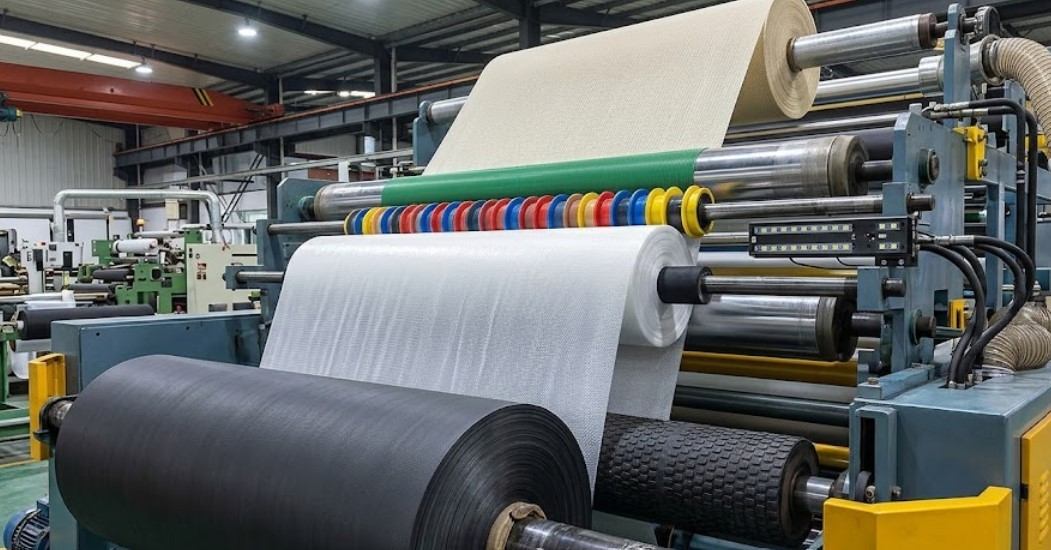
Rubber sheet failure rarely happens overnight. It builds up from a mismatched compound, heat, chemical contact, uneven bolting and poor storage. This guide explains what causes it, how to choose the right rubber for your application, how to fit and store sheets properly, and how to inspect them so problems are caught before they turn into a leak or a shutdown.
Rubber sheet failure is one of those problems that looks sudden but rarely is. A seal starts weeping or a lining hardens or an edge cracks and everyone assumes the sheet was faulty. Most of the time the damage began much earlier with the wrong compound or a rushed fitting or months of heat and chemical contact that nobody noticed.
Preventing it comes down to a few practical habits. Match the rubber to the fluid and temperature and fit it with care and store it properly and inspect it on a schedule. This guide explains how to do each of these so your sheets last longer and you avoid leaks and unplanned downtime.
What Causes Rubber Sheet Failure?
Rubber sheet failure is caused by chemical attack, heat, mechanical stress, weathering and poor installation, usually in combination. Each one breaks down the rubber in a different way, so identifying which of them is acting on your sheet is the first step to preventing a repeat.
 Chemical attack from oils, fuels, acids and solvents, which swell, soften or harden the sheet depending on the compound.
- Heat and cold, since high temperatures harden rubber and low temperatures make it stiff and poor at sealing.
- Mechanical stress such as crushing, stretching and sharp edges that lead to tears and permanent sets.
- Weathering from ozone and UV light, which dries the surface and causes fine cracks.
- Poor fitting, including the wrong size, dirty faces or uneven bolt load.
In my experience it is rarely just one of these. A hot, oily line with a badly fitted sheet will cause rubber sheet failure far sooner than any of those factors would alone.
How Do You Choose the Right Rubber Sheet Material?
Choosing the right rubber sheet starts with understanding the conditions it will face. Consider the fluid it will contact, operating temperature, and pressure or load. Different rubber compounds perform better in specific environments.
- Nitrile (NBR): Suitable for mineral oils, fuels, and hydraulic fluids. It offers good resistance to petroleum-based fluids.
- EPDM: Ideal for water, steam, weather, ozone, and outdoor use. It is not suitable for petroleum oils and fuels.
- Neoprene (CR): A versatile option for general industrial use. It offers good resistance to abrasion, weather, and moderate chemical exposure.
- Silicone: Suitable for high temperatures and selected food or pharmaceutical applications. Always check the grade for the intended use.
Before ordering, ask three questions: What will the sheet contact? What temperature will it experience? What pressure or load must it handle? These factors help you choose the right compound and avoid premature failure.
Hardness and thickness also matter. Check the Shore A hardness and required thickness for your application. A reliable rubber sheet supplier should ask about the fluid, temperature, pressure, and application before recommending a suitable product for reliable performance and longer service.
Which Installation Mistakes Lead to Rubber Sheet Failure?
The most common installation mistakes are fitting on a dirty surface, tightening bolts unevenly, cutting the sheet by eye and stretching it to fit. Each one creates stress or gaps that show up later as leaks or tears, often weeks after the job is signed off.
This is the order I follow on site.
- Clean and dry the mating faces, removing old residue and burrs.
- Cut the sheet to size with a sharp knife or die, never by eye.
- Lay it flat without stretching it.
- Tighten bolts in a cross pattern, in two or three passes.
- Stop when the sheet seals instead of crushing it.
Crushing the sheet is a quiet cause of rubber sheet failure because everything looks fine on day one. The sheet takes a permanent set and starts leaking after the first heat cycle.
How Do Heat, Sunlight and Chemicals Damage Rubber?
Heat hardens rubber and takes away its elasticity, while sunlight and ozone attack the surface and leave fine cracks. Chemicals swell or soften it depending on the compound, so the same oil that barely affects nitrile can ruin an EPDM sheet within days.
Under constant sun and high ambient temperatures, outdoor sheets age faster than most people expect. A few habits help.
- Keep sheets away from hot pipes and direct heat where possible.
- Use EPDM or a protective cover for outdoor work.
- Check a compatibility chart before introducing a new fluid.
- Wipe spills off promptly instead of letting them sit.
These small habits cut rubber sheet failure that comes from the surroundings rather than the job itself.
How Should You Store Rubber Sheets?
Store rubber sheets flat, or as loose rolls on a wide core, in a cool, dry and shaded room. Keep them away from sunlight, heat sources and electric motors that give off ozone, and never stack heavy items on top.
Handling counts too. A kink, or a nick from a blunt knife, becomes the starting point of a tear later, which is how a storage mistake turns into rubber sheet failure on site.
How Can You Spot Rubber Sheet Failure Early?
Inspect rubber sheets every few months in general service and monthly in hot, oily or chemical conditions. Look for cracks, hardening, swelling, thinning and weeping at the joint, and replace a sheet when it shows hardening or permanent set rather than waiting for a leak.
- Surface cracks or crazing
- Hard, shiny or chalky patches
- Swelling, bulging or softness
- Thinning or flattened edges
- Leaks around the joint
Keep a short log of how long each sheet lasted. Patterns in that record usually point to the real reason behind repeated rubber sheet failure.
Final Thoughts on Rubber Sheet Failure Prevention
Rubber sheet failure is almost never down to bad luck. It comes from the wrong compound, a rushed fitting, a sheet left in the sun or an inspection nobody got round to. Fix those four things and most sheets will last much longer than people expect.
If you are unsure which sheet suits your job, the team at Al Burhan Al Wadeh can help you match the rubber, thickness and size to your working conditions before you order. A short conversation at that stage costs far less than a shutdown later.
Tell us what the sheet will touch, how hot it runs and how much pressure it sees. Our team will recommend the right rubber, thickness and size so it lasts, and you get a clear quote without any guesswork.
FAQs
Why do rubber seals fail?
Rubber seals fail mainly because of heat, chemical exposure, ozone, poor installation and long-term wear. Overtightening is a common hidden cause because it crushes the rubber and leaves it with a permanent set.
How do you prevent rubber from deteriorating?
Keep it away from UV light, ozone, extreme heat and harsh chemicals, and store it flat in a cool, dry place. Choosing the correct compound for the fluid and temperature matters just as much.
Which rubber sheet is best for oil resistance?
Nitrile, also called NBR, is the usual choice for oils, fuels and hydraulic fluids. EPDM is not suitable for mineral oils, so check the fluid before ordering.
Related Reads:
- Top Uses of Rubber Products in Modern Industries — See where rubber actually earns its place across UAE industries.
- Natural Rubber vs Synthetic Rubber: Key Differences — Know which base material fits your application before you order.
- 11 Most Important Industrial Applications of Rubber — See which industrial applications depend on rubber and which compound suits each one.
- How UAE Rubber Suppliers Are Going Green — What sustainable sourcing actually looks like in this industry.
- Types of Industrial Rubber Sheets and Applications — A full breakdown of sheet types before you specify your next order.